
When I was living at home as a teenager I became obsessed with books about WW2. I read books such as The Great Escape, The White Rabbit, The Man Who Never Was, Reach for the Sky, The Dambusters, They Have Their Exits and Odette. I still have most of these although I haven’t read them for some years. My favourite, however, by a long way was The Colditz Story by PR Reid which is the story of the prisoner of war camp located in a medieval castle and which was intended to be impossible to escape from (there was a TV series and a film made from the book).
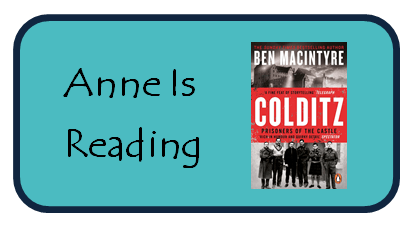
Recently many of the events immortalised in these books have been re-examined and there have been new books written which retell their stories with a different attitude. Gone is the “gung ho” spirit and the “derring do” and there is now much more of an attempt to reveal the whole truth. Ben MacIntyre has done this already with Operation Mincemeat which retells the story first presented in The Man Who Never Was and which I enjoyed a lot when I read it. Now the same author has written Colditz : Prisoners of the Castle.
This book gives a fuller and more complete account of the castle, its prisoners and what happened during the war. It has the advantage that the author had access to German accounts and official records. It also includes details of what happened to prisoners of nationalities other than British and those who were not officers. This story reflects a wider range of experiences and includes those who didn’t want to escape, those who formed gay relationships with one another, those who had a hard time because of their skin colour, and prisoners who had mental health issues.
At no time does this author belittle the ordeal or bravery of those incarcerated in Colditz or the real danger they were faced with at the end of the war. He does, however, acknowledge that class and race played a big part in the prisoners’ relationship with one another. He tells us too of incidents where the men did not behave well to one another and where it is almost certain that they killed a German guard. We also see the problems faced by the Germans and the pressures that they were under. It makes for a story about real people rather than one about cardboard cut-outs and it also makes for an engaging read.
 Anne Is Reading
One thought on “Retelling the past in a fuller way”