
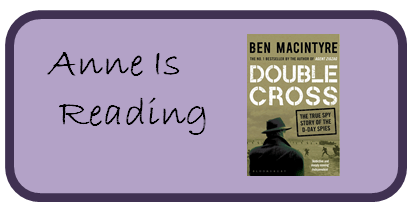
Double Cross by Ben Macintyre tells the story of the German spies in England during WW2 who became double agents. They were managed by a small department in the war operation which ran in a very individualised way – for example, the department was called Twenty because it dealt with double-cross (XX is twenty in Roman numerals). The men who organised and ran the operation were eccentric, upper class and very English but they were nowhere near as unusual as the agents.
The handful of German spies in England during WW2 were a bunch of people chosen for their availability rather than their loyalty or skills. They were managed by a German department, often through Portugal, and paid for their work. Few of them were recruited because they held to the Nazi ideology and all of them came to work as double agents, feeding back to the British what the Germans thought it important to know about and then passing on to the Germans misinformation that the British wanted them to know. They were playboys, socialites and businessmen and they came from across Europe.
The author tells the stories of the recruitment of these double agents and the work that they did in a very entertaining style. He demonstrates the difficulties of working with people of shifting loyalties and how the priorities of the agents was not always that of those who managed them. A lot of the book is devoted to the D-Day landings (also the subject of this author’s book Operation Mincemeat) and how the double agents played a vital part in passing misinformation to the Germans and undoubtedly saved many lives. The author spends time telling us about the background of these agents and what happened to them at the end of the war – it wasn’t all good and their contribution has not been recognised as it ought.
This is a well written book looking objectively at what happened but also remembering that these were human people who risked a lot for the allied cause. It’s the human quirks that keep you reading and which make these people real to you. I enjoyed this author’s look at what really happened at Colditz (see my review here) which also emphasises the human stories of those involved. I enjoyed this book a lot – I listened to the audiobook which was well narrated by Michael Tudor Barnes.
 Anne Is Reading